
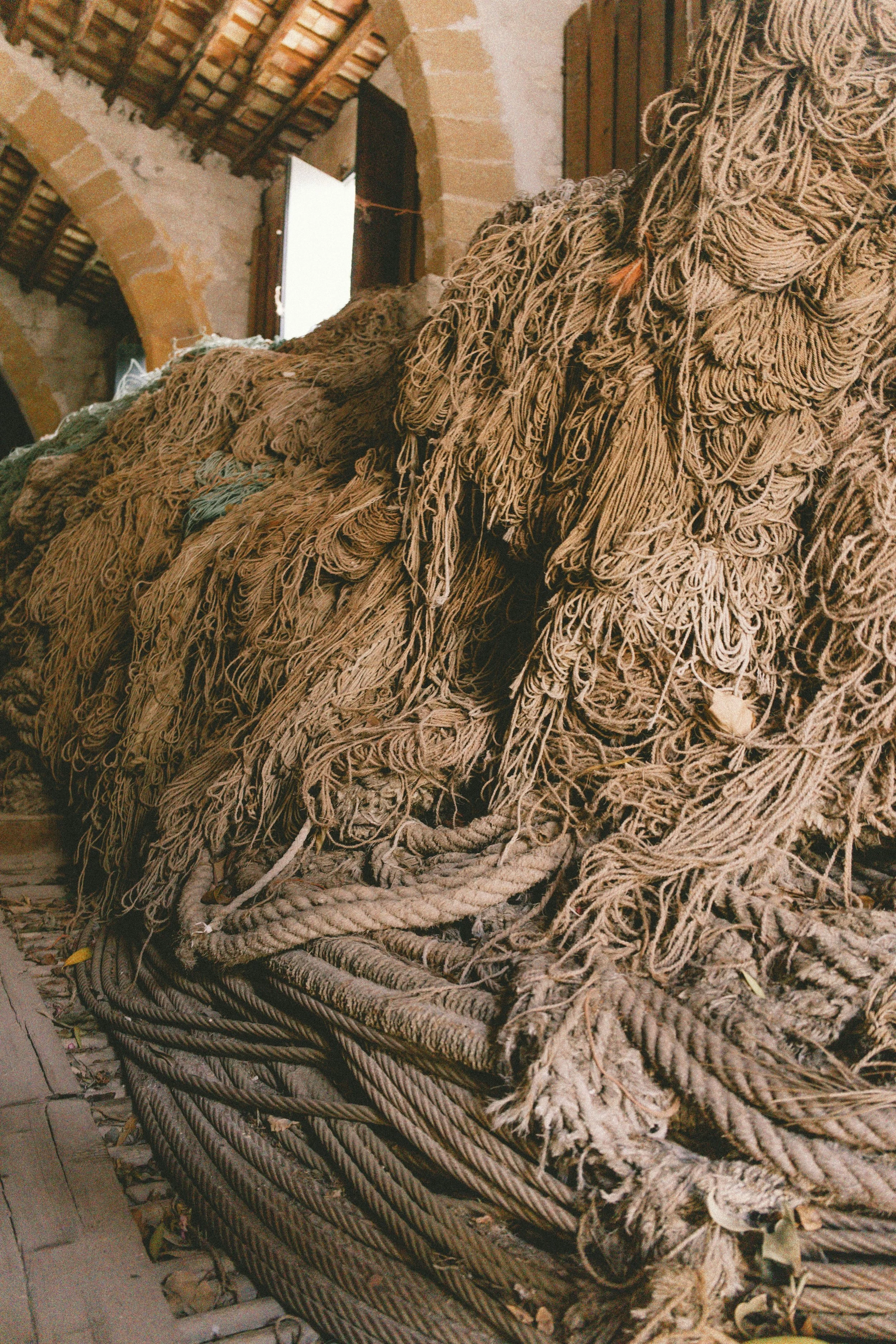
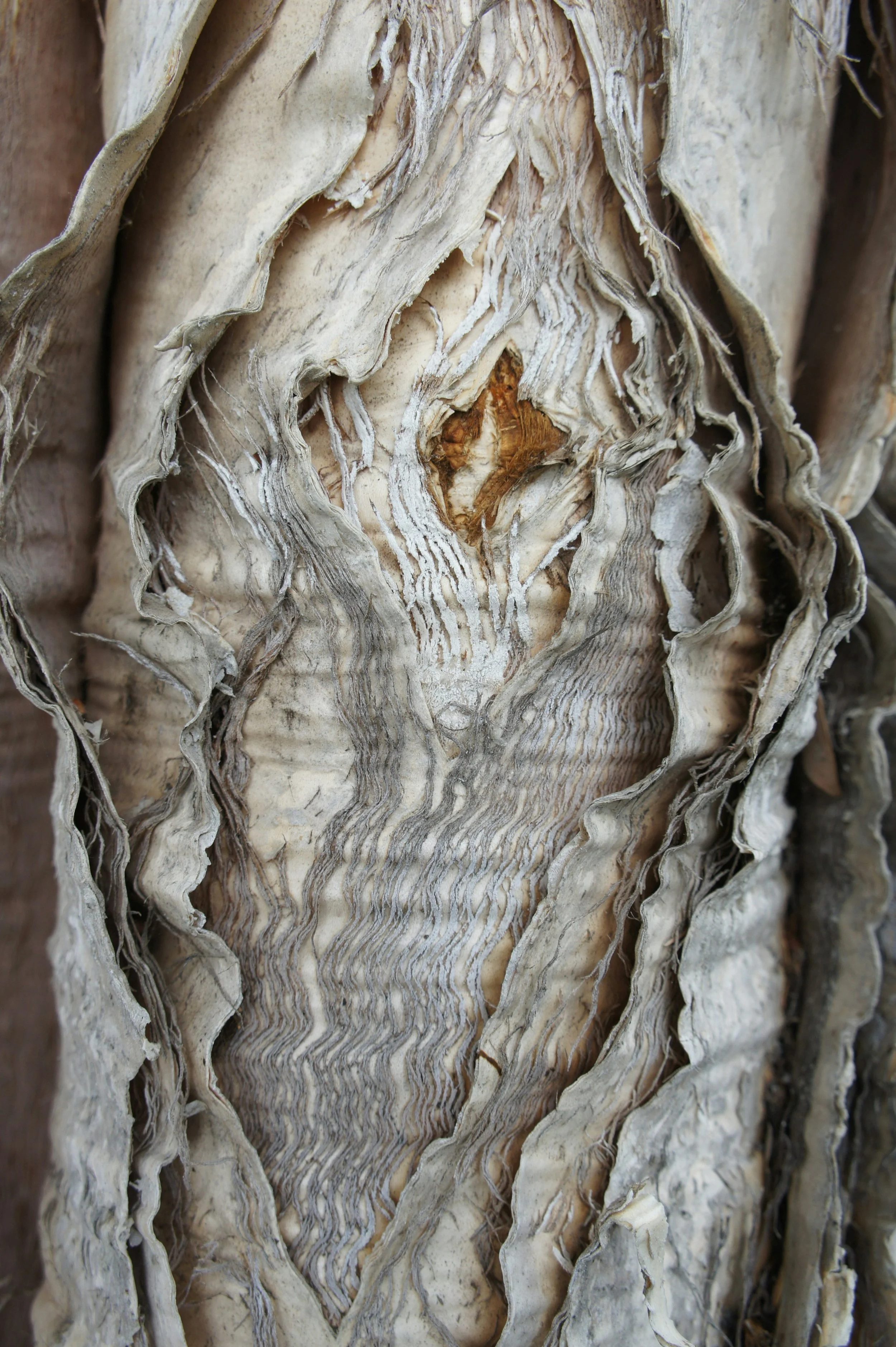
Materials are never neutral. They arrive carrying temperature, weight, memory, resistance. They respond differently to touch, to time, to neglect. Some crack when rushed. Others harden only after long exposure. Some record every mark. Others erase it. To work with material is to accept that it will not behave like an idea. Certain substances demand patience. Others require repetition. Some cannot be forced without losing their integrity. In many traditions, material is approached not as something to be mastered, but as something to be entered into a slow negotiation between hand, environment, and use.
Materials remember how they are treated. They absorb climate. They register labor. They carry traces of extraction, transport, weather, and repair. Their surfaces change. Their edges soften. Their failures teach. What matters is not novelty, but suitability. Not finish, but consequence. Not appearance, but endurance.
Material choice is therefore an ethical act, measured in maintenance, aging, repair, and long-term responsibility rather than appearance alone. It determines how a space will age, how it will be maintained, how it will be inhabited long after authorship fades. Attention to material is attention to time. Material does not explain itself. It reveals its intelligence through use.